
-

 Vendor:Paul Hartmann AG
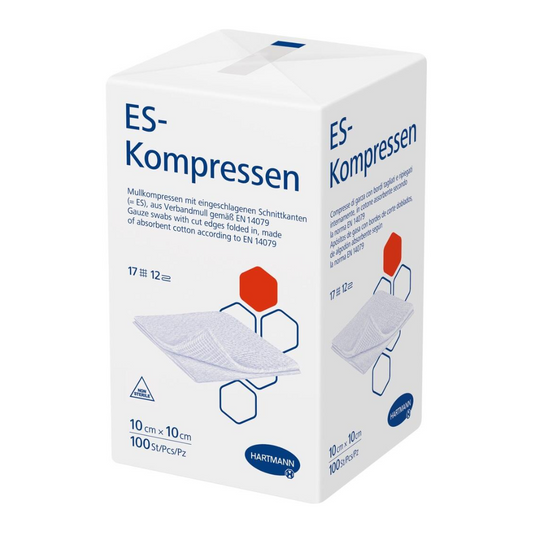
Comhbhrúnn Hartmann méideanna éagsúla, unsteril
Regular price From 1,40 €Sale price From 1,40 € Regular priceUnit price per1,40 € -
 Vendor:Paul Hartmann AG
Comhbhrúnn Hartmann méideanna éagsúla, 8 n -uaire, steiriúil
Regular price From 2,50 €Sale price From 2,50 € Regular priceUnit price per2,08 € -
-

 Up to 35% offVendor:Meditrade GmbH
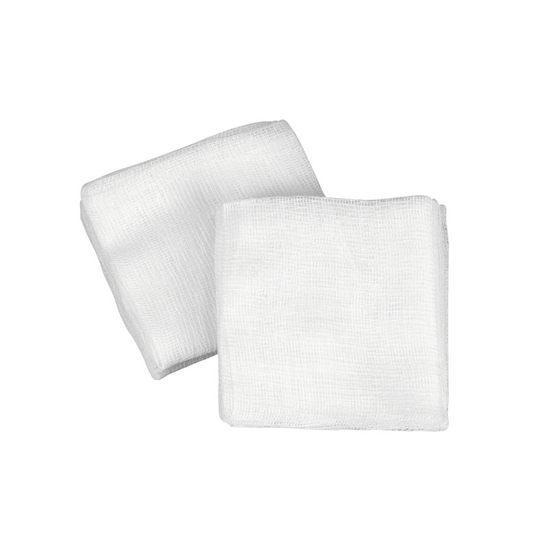
Meditrade Beesana® Compress Mull, Unsteril - 100 píosa
Regular price From 0,91 €Sale price From 0,91 € Regular priceUnit price per2,63 € -

 Up to 35% offVendor:Meditrade GmbH
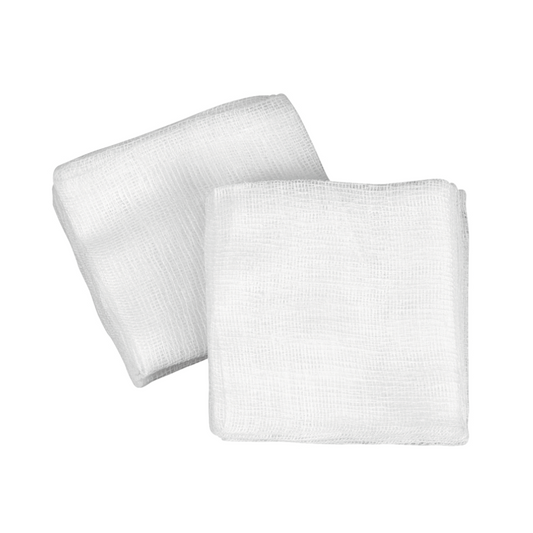
Meditrade Beesana® Compress Mull, Steiriúil, 8 n -uaire
Regular price From 1,20 €Sale price From 1,20 € Regular priceUnit price per5,32 € -

 Up to 7% offVendor:Holthaus Medical GmbH & Co. KG
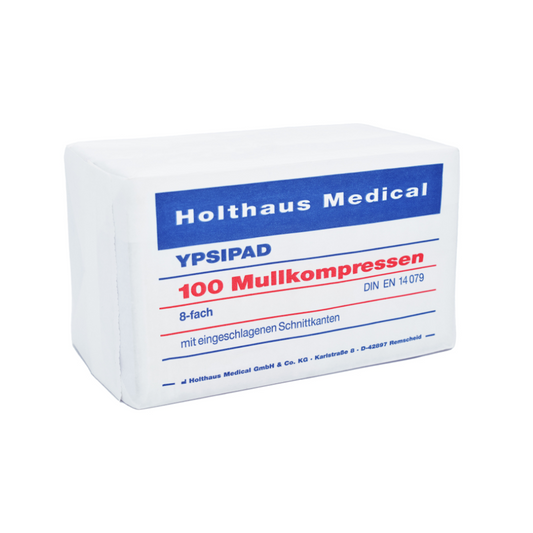
Comhbhrú mull Holthaus ypsipad
Regular price From 1,75 €Sale price From 1,75 € Regular priceUnit price per1,88 € -
 Up to 35% offVendor:Meditrade GmbH
Meditrade Beesana® Compress Mull, Steiriúil, 12 uair
Regular price From 1,65 €Sale price From 1,65 € Regular priceUnit price per1,65 € -
 Up to 35% offVendor:Holthaus Medical GmbH & Co. KG
Comhbhrú mull Holthaus ypsipad, 100 píosa
Only 7 leftRegular price From 1,83 €Sale price From 1,83 € Regular priceUnit price per1,83 € -

 Up to 4% offVendor:Paul Hartmann AG
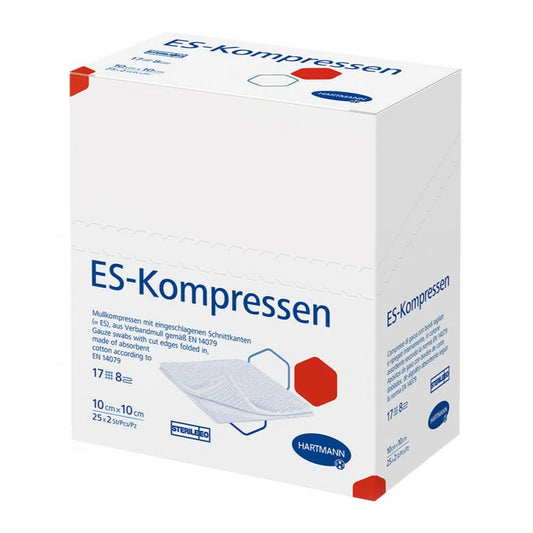
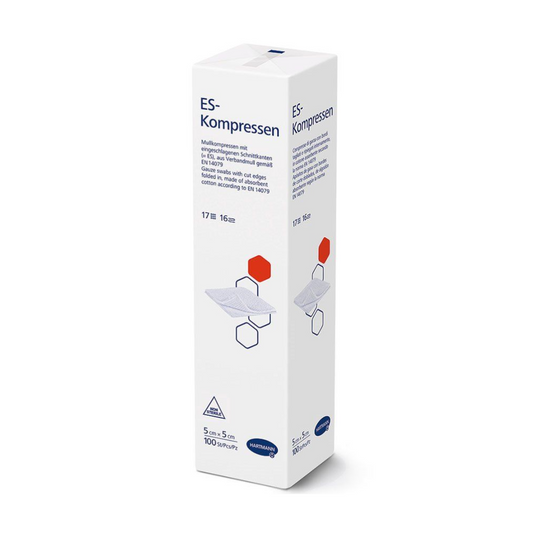
Déanann Hartmann es comhbhrú 17-snáithe, 16 huaire, unstertiltil
Only 18 leftRegular price From 4,45 €Sale price From 4,45 € Regular priceUnit price per4,45 € -

 Up to 35% offVendor:Paul Hartmann AG
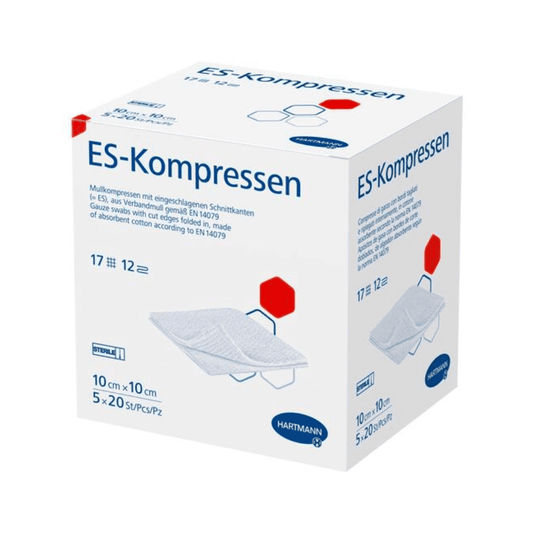
Comhbhrú Hartmann Es 10 x 10 cm, 12 huaire, steiriúil
Only 9 leftRegular price From 6,66 €Sale price From 6,66 € Regular priceUnit price per10,24 € -

 Up to 35% offVendor:Paul Hartmann AG
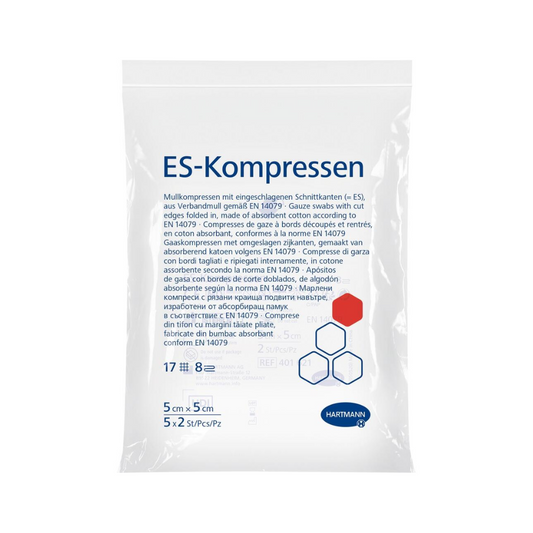
Comhbhrú Hartmann Es, 8-huaire, steiriúil-5 x 2 phíosa
Regular price From 1,29 €Sale price From 1,29 € Regular priceUnit price per1,29 € -
 Up to 35% offVendor:Paul Hartmann AG
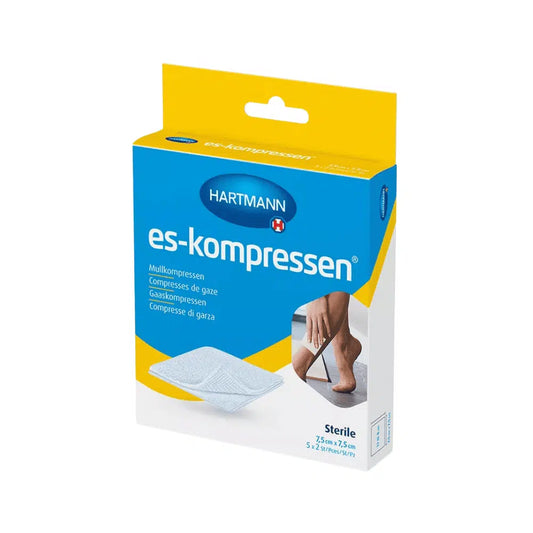
Comhbhrúnn Hartmann méideanna éagsúla, steiriúil - 5 x 2 phíosa
Regular price From 0,92 €Sale price From 0,92 € Regular priceUnit price per1,41 € -

 Vendor:Paul Hartmann AG
Déanann Hartmann comhbhrúite i málaí páipéir, 17 snáithe, 12-huaire, unstertil
Regular price From 5,63 €Sale price From 5,63 € Regular priceUnit price per5,63 € -
 Up to 35% offVendor:Holthaus Medical GmbH & Co. KG
Holthaus mullkompresse, 17 -thread - 25 x 2 phíosa
Regular price From 3,14 €Sale price From 3,14 € Regular priceUnit price per4,83 € -
 Up to 35% offVendor:B. Braun Deutschland GmbH & Co. KG
B. Braun Askina® Compress mull, cadás 100%
Only 13 leftRegular price From 4,04 €Sale price From 4,04 € Regular priceUnit price per6,21 € -
 Up to 35% offVendor:B. Braun Deutschland GmbH & Co. KG
B. Braun Askina Mull Compresses, Unsteril, Méideanna Éagsúla
Only 3 leftRegular price From 3,35 €Sale price From 3,35 € Regular priceUnit price per5,15 €

















Catagóirí Eile


ES and Gauze Compresses - Important Materials for Wound Care
ES Compresses (Single-use Sterile Compresses) are sterile, absorbent wound dressings used to cover fresh or infected wounds to ensure a sterile environment and minimize the risk of infection.
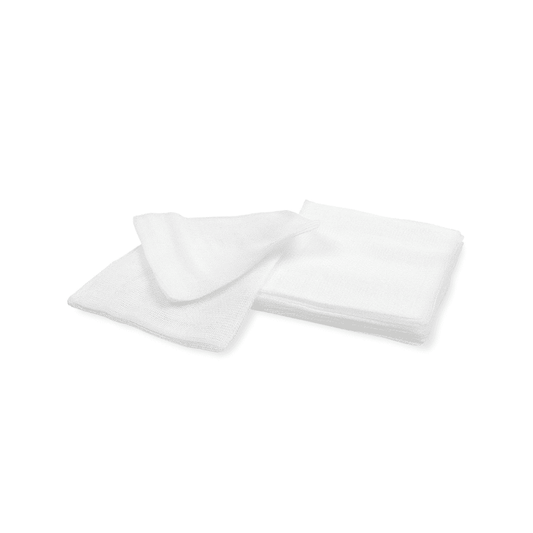
Gauze Compresses are made of several layers of cotton gauze and are non-sterile. They are particularly absorbent and are well suited for cleaning, covering, and cushioning wounds. Both types of compresses are available in various sizes and designs to meet different needs in wound care.
Properties and Benefits of Gauze Compresses
Gauze compresses are made of soft cotton fabric and are particularly absorbent. They are excellent for cleaning, covering, and cushioning wounds. Gauze compresses are available in various sizes and offer gentle care for sensitive skin.
Benefits of ES Compresses:
- Sterility: They are sterile packaged and prevent the risk of infection in fresh or open wounds.
- High Absorbency: Effectively absorb blood and wound exudates, promoting a clean wound environment.
Benefits of Gauze Compresses:
- Flexibility: Compresses and Absorbent Compresses are versatile for cleaning, cushioning, and covering wounds.
- Soft and Gentle: Gentle on the skin and ideal for sensitive areas.
- Breathability: Allows air circulation, which can support healing.
Application of ES and Gauze Compresses in Practice
ES and Gauze Compresses are versatile and used in hospitals, medical practices, and at home for wound care. They can be used individually or in combination with other dressing materials to ensure optimal wound care.
ES Compresses
- Sterile covering of wounds
- For acute or chronic wounds
- Cleaning sensitive wounds
- Tamponade or insertion
Gauze Compresses
- Wound cleaning
- Wound covering
- Absorption of exudate in weeping wounds
- Cushioning under bandages or splints
- Absorbing blood
Choose the Right Compresses for Your Needs
When selecting the right compresses, it is important to consider the specific requirements of the wound. ES and gauze compresses offer versatile options for effective wound care and promote healing through protection and absorbency. Discover the wide range of ES and gauze compresses to ensure the best care for your wounds.
- Type of Wound: ES compresses are ideal for sterile applications, especially for fresh or infected wounds, as they create a sterile environment. Gauze compresses are suitable for general wound cleaning and coverage.
- Absorbency: Depending on the amount of wound exudate, higher absorbency is required. Gauze compresses are highly absorbent and are well-suited for weeping wounds.
- Size and Sterility: Choose the compress size according to the wound. Sterile compresses are important for open or postoperative wounds. Product suggestions for this are Meditrade BeeSana® nonwoven compress sterile or Hartmann ES compresses, 8-ply, sterile
- Non-sterile compresses are predominantly used for padding and covering wounds. Suitable for this are the non-sterile ES compresses from Hartmann or the Hartmann Medicomp® non-sterile nonwoven compresses.
- Other products include Holthaus YPSIPAD gauze compress as well as B. Braun Askina gauze compresses
- They are suitable for absorbing wound exudates and protecting the wound from external influences.
- Material: Pay attention to materials that do not cause allergies and offer good compatibility.
Step-by-step wound care with ES and gauze compresses
Proper wound care is an essential part of healthcare and serves to prevent infections and promote rapid healing. Here are four steps to effective wound care:
- Cleaning: Use a gauze compress to stop the bleeding of the wound. Begin cleaning the wound under running lukewarm water to remove dirt and impurities. Use a mild antiseptic soap if necessary. Be sure to avoid harsh substances that could irritate the tissue.
- Disinfection: Apply a suitable disinfectant to the wound to minimize the risk of infections. Follow the instructions on the product label and allow the disinfectant to work sufficiently.
- Covering: Cover the wound with a sterile dressing or band-aid to protect it from further contamination. A dressing that regulates moisture and is breathable helps promote healing.
- Care: Monitor the wound regularly and change the dressing as needed, ideally daily or if it becomes wet or dirty. Watch for signs of infection, such as redness, swelling, or pus formation, and consider seeking medical advice if necessary.
These steps support healing and help reduce the risk of complications.
Brandaí agus Catagóirí i bhFócas
Anseo gheobhaidh tú táirgí forlíontacha a oireann don bhailiúchán reatha.


